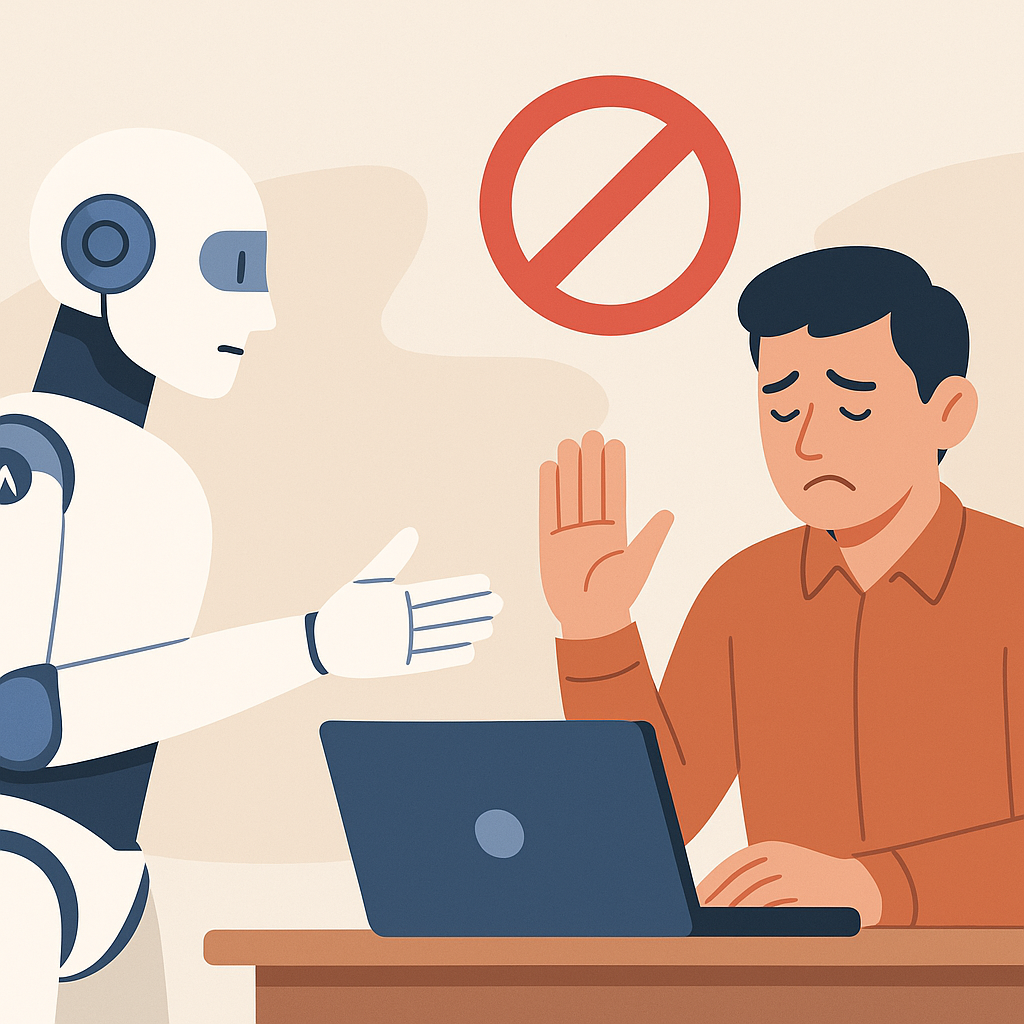
As we stand on the precipice of artificial intelligence (AI) revolutionizing every facet of our life and work, a concerning trend has emerged among many startup founders and entrepreneurs: the belief that a single AI agent can effectively replace an entire business unit. While technology has advanced remarkably, leading to unprecedented automation capabilities, we must clarify the distinction between automation and replacement. In this article, we will explore the effective use of AI, why it should augment rather than eliminate human roles, and how to navigate the burgeoning landscape of AI responsibly and effectively.
The era of AI is promising, but it is critical for entrepreneurs to grasp that AI’s ultimate role should be as an assistant that enhances productivity and decision-making processes, not as a panacea that replaces entire teams. We will discuss the appropriate application of AI across business functions, the mistakes commonly made by those seeking quick fixes, and practical advice for integrating AI into workflows responsibly. By the end of this article, readers should emerge with a clear understanding of how to leverage AI without compromising quality, creativity, and the human touch that is essential for building successful businesses.
**Understanding Automation vs. Replacement**
Automation and replacement are frequently conflated concepts, particularly in the context of AI. At its core, automation refers to employing technology to perform tasks with minimal human intervention. This often focuses on repetitive and time-consuming activities, such as data entry or basic customer interactions, thereby allowing human employees to devote their energy to more complex tasks. On the other hand, replacement implies a more drastic measure: substituting an entire team or function with technology, thereby removing the human element entirely.
To illustrate the distinction, consider the role of a Business Development Representative (BDR). An AI-driven tool, like an AI BDR, can indeed assist by handling the initial outreach and data collection process. However, it cannot replace the nuanced judgment and expertise a human BDR brings to the table—whether that’s in interpreting client needs, responding to objections, or cementing relationships. Founders should realize that effective AI implementation in this context means using AI to augment the BDR’s capabilities rather than considering it a one-size-fits-all solution that can make their entire sales team obsolete.
**The Consequences of Over-Reliance on AI**
Many startups inadvertently fall into the trap of over-reliance on AI through what some may call the “Vibe Coding” technique. This approach, where teams rely on AI to produce software or solutions without sufficient oversight or human involvement, often results in shoddy workmanship. A real-life example comes from experiences in software development, where teams are handed incomplete or poorly conceived code that they are then told to “upload into Claude” (an AI tool) to “figure it out.” The outcome is a generic set of requirements and poor-quality code that does not meet real-world needs—effectively stunting the development process and leading to unsatisfactory products.
This type of practice shows a greater trend where good practices are supplanted by a misguided belief that AI can do it all. As commented in prominent tech discussions, fully trusting AI with entire projects or operational areas leads to mediocre results and failed implementations. Founders must avoid taking shortcuts that lead to further complications. Integrating AI into workflows should enhance existing processes, not create chaos.
**How to Integrate AI Responsibly**
To maximize the effectiveness of AI without falling prey to its pitfalls, founders should adopt a systematic approach to AI integration. Here are some best practices to ensure a responsible relationship between AI and human workers:
Define Clear Objectives: It’s essential to identify specific tasks that AI can handle efficiently. Clarity in objectives will allow teams to employ AI in a way that complements human contributions without extending too far into replacement territory.
Assign Human Gatekeepers: No AI process should be fully automated or left without human oversight. Consider assigning team members to review AI-generated outputs to ensure quality and relevance. This will help you maintain the intricate insights that only humans can provide.
Practice Layered Prompts: When using AI tools, providing layered and contextually-rich prompts can result in better outputs. Instead of generic queries, be descriptive about the context and expected results. This enhances the AI’s effectiveness and aids in producing more satisfactory results.
Engage in Continuous Learning: AI is continuously evolving, and so too should your understanding of its capabilities and applications. Regular training sessions and workshops can help teams stay updated with the latest technologies, ensuring they can leverage these tools effectively.
Foster Collaborative Environments: Encourage a culture that sees AI as a collaborator rather than a competitor. When teams understand that they’re not at risk of being replaced, they are more likely to embrace AI and use it to enhance their output. Collaboration with AI can lead to more innovative ideas and productive work.
Pilot and Iterate: Before deploying AI solutions widely, consider running small pilot projects. This allows teams to assess the effectiveness of AI in controlled environments and make necessary adjustments. Iteration is crucial as businesses grow and change.
**Practical Tips for Effective AI Use**
Begin with simple tasks that require minimal decision-making before moving to complex functions. This minimizes risks associated with over-reliance on AI.
Regularly collect feedback from team members on AI-generated outputs. Understand what aspects they find useful and which tasks still require a human touch.
Integrate AI tools that allow for active human engagement. Choose platforms that provide transparency during data handling and maintain records that employees can access easily.
Avoid the temptation to implement AI solutions that seem appealing without proper vetting. Research case studies and consult with those who have navigated similar paths successfully.
**Final Thoughts**
In the fast-paced world of entrepreneurship, embracing AI’s potential can give businesses a competitive edge, but it’s essential to do so responsibly. By understanding the distinction between automation and replacement, ensuring human oversight, and strategically integrating AI into workflows, companies can avoid the pitfalls of ill-conceived shortcuts and achieve meaningful outcomes. The goal should always be to enrich human capabilities rather than erase them.
Ultimately, the balance lies in recognizing AI as a tool and ally rather than a substitute. For business leaders, the call to action is clear: engage deeply with AI processes, maintain a thoughtful approach, and cultivate the human intellect at the core of organizational success. With careful implementation, the future of AI in business can indeed be both productive and human-centric.
**References and Further Reading**
If you’re interested in deepening your understanding of AI in business, consider the following resources:
“The AI Advantage: How to Put the Artificial Intelligence Revolution to Work” by Thomas H. Davenport.
“Human + Machine: Reimagining Work in the Age of AI” by H. James Wilson and Paul R. Daugherty.
Online courses from Coursera or edX focusing on AI implementation.
For the latest discussions and community insights, platforms like Reddit or LinkedIn can offer valuable perspectives from fellow entrepreneurs and technology experts.
Leave a Reply